Predicting the Next Big Meta After PFP NFTs
If you’re trying to predict the next nft meta, the first move is to stop assuming the market wants another round of profile-picture speculation with slightly different art. PFP NFTs still matter as cultural assets, status symbols, and social coordination tools. But that trade has been picked over for years. The easy story is gone. What usually comes next in crypto is not “the same thing, but louder.” It’s a format that absorbs the old behavior and gives people a more durable reason to stay.
That reason is usually utility with a clear emotional hook. Not vague utility. Actual usage. Access, progression, yield, identity, ownership, licensing, or cash-flow exposure. The market has matured enough to ask a blunt question: what does this tokenized asset do besides sit in a wallet and hope someone richer buys it later? That doesn’t mean pure speculation disappears. It never does. But the next breakout category will probably blend speculation with participation. People still want upside. They just also want a believable use case, a feedback loop, and a reason the asset matters after the hype thread dies. That’s why the strongest candidates after PFPs are assets tied to games, real-world value, and systems people interact with repeatedly rather than admire once.
Gaming NFTs have the clearest path because they plug into behavior people already have
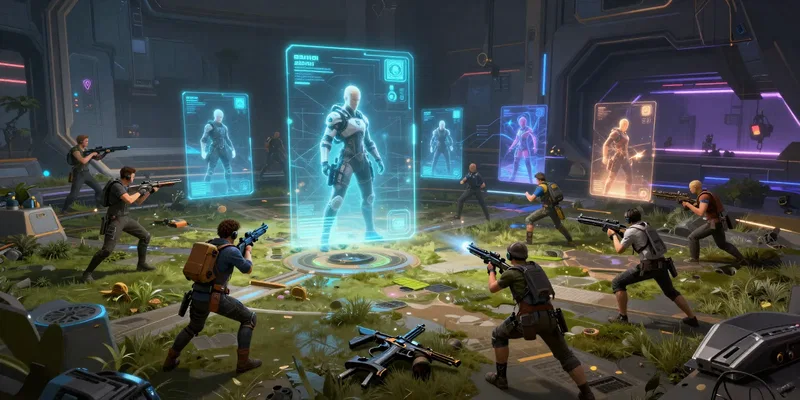
Gaming NFTs keep coming back into the conversation for one simple reason: players already understand digital items. They’ve been buying skins, weapons, characters, and battle passes for years. The leap from “I paid for this skin” to “I own this item and can trade it” is much smaller than the leap from “I bought a cartoon ape because the Discord was hot.” That matters. Great metas usually ride existing user behavior instead of trying to reprogram it from scratch.
But here’s the catch. Most gaming nfts failed when they were designed as financial products first and games second. Players can smell that instantly. If the game loop feels like a spreadsheet with monsters, the audience disappears the second token emissions slow down. The better model is the opposite: fun first, ownership second, open economy third. The NFT should improve retention, identity, or marketplace liquidity, not carry the whole game on its back. Think tradable cosmetics with provable scarcity, interoperable guild assets, tournament credentials, or items that evolve with gameplay history. The most likely winners won’t pitch “play to earn” like it’s still 2021. They’ll pitch better game economies, stronger player attachment, and assets that have value because the game is alive, not because the whitepaper said they should.
RWA tokens could become the serious-money meta that NFTs never fully managed to be
If gaming is the consumer-side candidate, rwa tokens are the institutional and capital-efficient candidate. Real-world asset tokenization has a very different vibe from classic NFT culture, but markets don’t care about vibes as much as they care about product-market fit. When people say rwa tokens, they’re usually talking about tokenized treasuries, credit, real estate exposure, commodities, invoices, or other claims tied to off-chain assets and cash flows. That’s interesting because it gives crypto something it often lacks: yield and valuation anchors that exist outside the crypto echo chamber.
There’s a decent chance the next big meta after PFP NFTs isn’t “art 2.0” at all. It could be the migration of speculative attention toward tokenized assets that feel boring in the best possible way. Boring pays. Boring can be modeled. Boring gives risk-averse capital a reason to enter. The hard part, of course, is trust. RWA systems live or die on legal structure, custody, transparency, redemption rights, and jurisdictional clarity. If those pieces are weak, the token is just cosplay finance. But when they’re strong, rwa tokens give traders a narrative, investors a return profile, and protocols a base layer of collateral that doesn’t depend entirely on meme momentum. That’s a much sturdier foundation for a long-lived meta.
The real winners will mix speculation with cash flow, access, or progression
A lot of people frame the future as a battle between culture NFTs, gaming nfts, and rwa tokens. That’s too neat. Crypto categories rarely stay in their lane for long. The more believable next meta is a hybrid model where assets do more than one job. An NFT that grants access to an economy. A game item tied to seasonal rewards. A tokenized membership pass with revenue share. A real-world yield product wrapped in a collectible interface people actually want to hold and show off. Markets love assets that are easy to understand but hard to replicate.
This is where market psychology matters. Retail still wants upside and narrative. Power users want utility and liquidity. Institutions want structure and compliance. The winning meta will meet at least two of those groups at the same time. That’s why simple collectibility on its own feels weaker now. The bar has moved. Traders want a reason to believe the asset can be repriced higher, and they want that reason to survive for more than a week. Cash flow, status, in-game relevance, access rights, governance weight, or redemption mechanics all help. Not because they remove speculation, but because they make the speculation less fragile. When attention rotates, the assets with a working engine under the hood tend to hold up better than the ones running only on vibes.
What to watch on-chain before the next meta becomes obvious to everyone
By the time mainstream crypto Twitter agrees on the next big thing, a lot of the clean entry is usually gone. So what should you actually watch? First, look for repeat usage, not just launch volume. A flashy mint can happen because of marketing, market makers, or mercenary capital. A real meta shows up in retention. Are users coming back? Are assets being used, upgraded, staked, traded, borrowed against, or integrated into other products? If you’re tracking gaming nfts, that means player activity matters more than mint-day screenshots. If you’re tracking rwa tokens, monitor issuance growth, redemptions, protocol integrations, and whether the yield spread still makes sense after fees and risk.
Second, pay attention to where builders are quietly crowding. Metas usually have a pre-hype phase where founders, infrastructure teams, and serious capital start placing small, consistent bets before retail notices. You’ll see better tooling, cleaner onboarding, fewer gimmicks, and partnerships that solve boring problems like custody, compliance, and market access. Third, check whether the story can survive a bad month. That’s a ruthless filter. PFP-led runs were often sustained by reflexive social energy. The next durable nft meta will need stronger legs. Maybe that’s gaming nfts attached to real player demand. Maybe it’s rwa tokens becoming core collateral for DeFi. Maybe it’s a hybrid category that hasn’t been named cleanly yet. Either way, the next big winner probably won’t ask the market to believe in nothing but scarcity and swagger.